Nicaragua
A solid all-round choice. Ranked 32 of 55, strongest on affordability, softest on safety.
- Healthcare 55
- Retiree visa 92
- Affordability 95
- Safety 28
- Climate 70
- Expat community 65
- Retirement visaYesPensionado (retiree residency); a related Rentista option exists for non-pension investment income.internationalliving.com
- Min incomeLow (easier to meet)internationalliving.com
- Monthly budgetMuch lower than the USinternationalliving.com
- HealthcareFairtravel.state.gov
- SafetyUse cautiontravel.state.gov
- Top citiesGranada, San Juan del Sur, León
Good to know
- Dedicated retirement visaPensionado (retiree residency); a related Rentista option exists for non-pension investment income.internationalliving.com
- Low cost of livingMany couples live comfortably on about $1,500/month; a single person around $1,200/month, with budget living possible near $800 and a high-end lifestyle around $2,000/month.internationalliving.com
- Comfortable climateTwo seasons: a pronounced dry season (December-April on the Pacific side) and a rainy season (May-October). In Managua highs range from about 32°C (90°F) to 37-38°C (98-100°F) March-May, with nightly lows around 18-20°C. The Caribbean coast is far wetter (3,000-4,000 mm/year) than the Pacific side; highland areas are cooler.climatestotravel.com
Watch out for
- Safety needs attentionU.S. State Department rates Nicaragua Level 3 (Reconsider Travel), citing violent crime that can occur anywhere, serious risk of wrongful detention of U.S. nationals by the authoritarian government, arbitrary enforcement of laws targeting perceived opponents, and limited medical services.travel.state.gov
Visa & residency
Pensionado (retiree residency); a related Rentista option exists for non-pension investment income.
Pensionado requires about $600/month from a guaranteed source such as a pension or Social Security; Rentista requires about $750/month from investments, with an extra $150/month per dependent.
The pensionado income must come from a guaranteed source (pension, retirement fund, Social Security); an extra $150/month is required for each dependent. Requirement figures vary between sources, so applicants should confirm current thresholds with Nicaraguan immigration.
Healthcare
Good private care is concentrated in Managua (e.g. the JCI-accredited Vivian Pellas Metropolitan Hospital, plus Hospital Bautista and the Military Hospital); routine public visits are free. The U.S. State Department warns that medical services are severely limited outside Managua, with only one internationally certified hospital in the capital.
Traditional health insurance is largely unavailable; Vivian Pellas offers tiered membership programs (about $50-$65/month for the Gold package, giving 20-70% discounts). Expats are advised to buy MedEvac insurance (about $250/year) for emergency air transport to Houston or Miami.
Cost of living
Many couples live comfortably on about $1,500/month; a single person around $1,200/month, with budget living possible near $800 and a high-end lifestyle around $2,000/month.
A nice one-bedroom furnished house or apartment runs about $300-$400/month; premium ocean-view two-bedroom homes with pools rent for roughly $800-$1,000/month.
Safety
U.S. State Department rates Nicaragua Level 3 (Reconsider Travel), citing violent crime that can occur anywhere, serious risk of wrongful detention of U.S. nationals by the authoritarian government, arbitrary enforcement of laws targeting perceived opponents, and limited medical services.
Climate
Two seasons: a pronounced dry season (December-April on the Pacific side) and a rainy season (May-October). In Managua highs range from about 32°C (90°F) to 37-38°C (98-100°F) March-May, with nightly lows around 18-20°C. The Caribbean coast is far wetter (3,000-4,000 mm/year) than the Pacific side; highland areas are cooler.
Community & language
Granada is one of Nicaragua's most established expat communities (estimated several thousand foreign residents, mostly from the US and Canada plus some Europeans), alongside San Juan del Sur. English functions mainly within tourist and expat-oriented sectors; Spanish is needed for broader daily life and integration.
Spanish is the official language; English, Miskito, Rama and several Creole languages are recognized regional languages, particularly on the Caribbean coast.
Taxes
Nicaragua's tax system does not recognize any form of foreign tax credit, so there is no domestic mechanism to offset foreign taxes on pension income.
Nicaragua has not signed any general treaty to avoid double taxation with any country (a December 2022 Air Transport Agreement with Mexico contains only sector-specific double-tax rules). There is no US-Nicaragua tax treaty.
Moving & migration
To open a bank account in Nicaragua as a foreign retiree, you typically need a valid passport and your cedula (residency card). Major banks include BAC Credomatic, Banco LAFISE Bancentro, Banpro, and Banco de Finanzas (BDF). Some banks may allow non-residents to open accounts, but services are limited. US dollar accounts are widely available as the US dollar circulates alongside the Nicaraguan cordoba.
Nicaragua's public healthcare system provides free routine care but quality is limited, particularly outside Managua. The U.S. State Department warns that medical services are severely limited outside the capital, with only one internationally certified hospital (Vivian Pellas Metropolitan Hospital) in Managua. Expats are advised to use private hospital membership programmes (e.g. Vivian Pellas Gold package, about USD 50-65/month) and buy MedEvac insurance (about USD 250/year) for emergency air transport to Houston or Miami.
Foreign driving licences are valid in Nicaragua for up to 30 days. After this period, residents must obtain a Nicaraguan driving licence through the Policia Nacional (Transito department). The process typically involves presenting a valid foreign licence, completing a medical exam, vision test, and possibly a written and practical driving test. Some licences may be exchanged without a full driving test.
Retirees under the Pensionado residency category are entitled to a one-time duty exemption on the import of personal household goods (menaje de casa), including a vehicle. A detailed inventory list, proof of Pensionado status, passport, and residency card are required. The exemption must be arranged through a licensed customs broker. Rules can change, so verify current regulations with Nicaraguan customs (Direccion General de Servicios Aduaneros).
Dogs and cats entering Nicaragua need a health certificate from a licensed veterinarian issued within 15 days of travel, proof of rabies vaccination (administered at least 30 days before travel), and a certificate of internal/external parasite treatment. Pets must be examined by a Ministry of Agriculture (MAG) official upon arrival. An import permit may be required in advance. Contact the nearest Nicaraguan consulate for current requirements.
Step 1: British nationals can enter Nicaragua visa-free for up to 90 days. Step 2: Apply for Pensionado (retiree) residency at Nicaraguan immigration (Direccion General de Migracion y Extranjeria). Requirements: proof of pension of about USD 600/month from a guaranteed source, police clearance, birth certificate, health certificate. Step 3: Temporary residency is valid for 1 year and renewable. Step 4: After 3 years of temporary residency, apply for permanent residency (Residencia Permanente). Step 5: After 4 years of permanent residency, apply for citizenship. Nicaragua recognises dual citizenship.
Popular retirement spots
Where retirees in Nicaragua tend to settle, and the honest reason why. Each note shows its source.
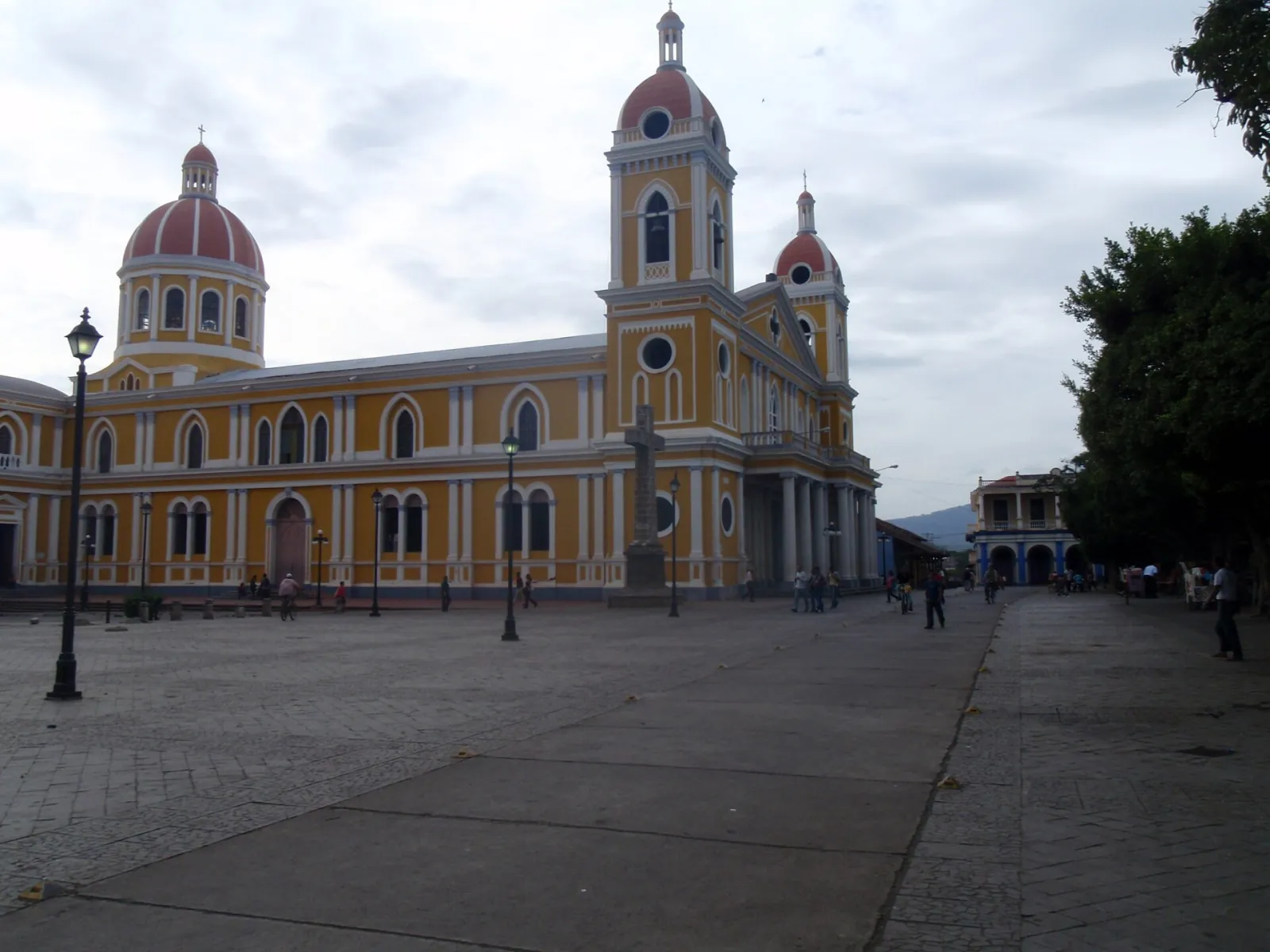
Granada
Spanish colonial city on Lake Nicaragua with a warm climate and an established tourism and foreign-resident scene.
San Juan del Sur
Pacific beach town popular for surfing and tourism, with resident foreigners from the US, Canada and Europe.
León
Historic colonial university city in western Nicaragua with a hot climate and rich literary and architectural heritage.
Questions about retiring in Nicaragua
Answered from the verified data on this page. Every answer shows its source; anything we have not confirmed says so plainly rather than guessing.
- Does Nicaragua have a retirement visa?
Yes. Nicaragua offers the Pensionado (retiree residency); a related Rentista option exists for non-pension investment income..
internationalliving.com- How much monthly income do I need to retire in Nicaragua?
As a guide: Pensionado requires about $600/month from a guaranteed source such as a pension or Social Security; Rentista requires about $750/month from investments, with an extra $150/month per dependent. Treat this as indicative and verify the current official figure before you rely on it.
internationalliving.com- Is healthcare good for expats in Nicaragua?
Healthcare quality is rated fair. Good private care is concentrated in Managua (e.g. the JCI-accredited Vivian Pellas Metropolitan Hospital, plus Hospital Bautista and the Military Hospital); routine public visits are free. The U.S. State Department warns that medical services are severely limited outside Managua, with only one internationally certified hospital in the capital. On cost: Traditional health insurance is largely unavailable; Vivian Pellas offers tiered membership programs (about $50-$65/month for the Gold package, giving 20-70% discounts). Expats are advised to buy MedEvac insurance (about $250/year) for emergency air transport to Houston or Miami.
travel.state.gov- How expensive is it to retire in Nicaragua?
Much lower than the US. A comfortable single-retiree budget is Many couples live comfortably on about $1,500/month; a single person around $1,200/month, with budget living possible near $800 and a high-end lifestyle around $2,000/month.
internationalliving.com- Is Nicaragua safe?
Use caution. U.S. State Department rates Nicaragua Level 3 (Reconsider Travel), citing violent crime that can occur anywhere, serious risk of wrongful detention of U.S. nationals by the authoritarian government, arbitrary enforcement of laws targeting perceived opponents, and limited medical services.
travel.state.gov- What is the climate like in Nicaragua?
The climate is Tropical, hot all year round. Two seasons: a pronounced dry season (December-April on the Pacific side) and a rainy season (May-October). In Managua highs range from about 32°C (90°F) to 37-38°C (98-100°F) March-May, with nightly lows around 18-20°C. The Caribbean coast is far wetter (3,000-4,000 mm/year) than the Pacific side; highland areas are cooler.
climatestotravel.com- Where do retirees live in Nicaragua?
Popular retirement spots include Granada, San Juan del Sur and León.
en.wikipedia.org
Compare Nicaragua with its closest rivals
The three countries whose RetireScore sits nearest.