Tunisia
A solid all-round choice. Ranked 49 of 55, strongest on affordability, softest on retiree visa.
- Healthcare 55
- Retiree visa 22
- Affordability 95
- Safety 52
- Climate 88
- Expat community not verified58
1 of 6 axes rest on data we could not verify yet; those score a neutral 50 and are marked "not verified".
- Retirement visaNoexpat.com
- Min incomeLow (easier to meet)expat.com
- Monthly budget~$700-1,100/monumbeo.com
- HealthcareFairen.wikipedia.org
- SafetyModerateen.wikipedia.org
- Top citiesTunis, Hammamet, Sousse
Good to know
- Low cost of livingVery affordable: Numbeo puts single-person costs around 410 euros (about 440 US dollars) a month excluding rent, so a comfortable single-retiree budget is roughly 700-1,100 US dollars including housing.numbeo.com
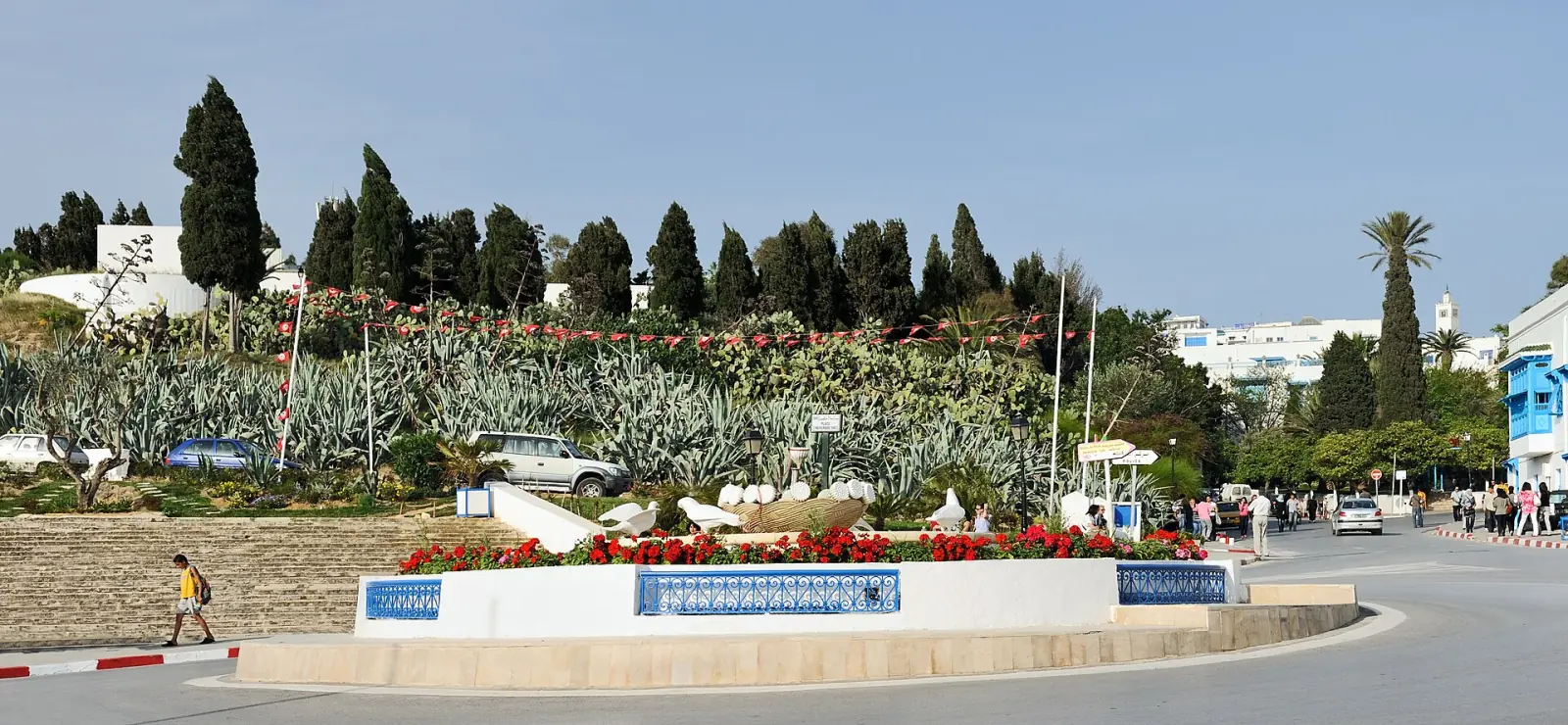
- Comfortable climateThe climate is Mediterranean along the northern coast, with mild wet winters and hot dry summers, while most of the interior and south is arid Saharan desert.en.wikipedia.org
Watch out for
- No dedicated retirement visaexpat.com
- Safety needs attentionRanks 77th of 163 countries on the 2026 Global Peace Index with a score of 1.947, a 19-place improvement, placing it in the middle of the global peacefulness range.en.wikipedia.org
- Expat community data not verified yet
Visa & residency
Carte de Sejour (standard residence permit; retirement is a valid reason to stay, not a dedicated retirement visa)
Retirees must show regular deposits into a Tunisian bank account; a minimum monthly transfer of around 400 euros is cited (some applicants have been asked for about 1,000 euros).
Foreigners staying over 90 days apply for a Carte de Sejour with a lease, passport copy, photos, tax stamps and proof of bank deposits; eligibility can depend on nationality, and permanent residency is possible after five years.
Healthcare
Tax-funded public system (CNAM) of primary health centres and district, regional and university hospitals alongside a strong urban private sector holding most top-range equipment; medical tourism is a major foreign-currency earner, though public care faces rising out-of-pocket costs and a doctor exodus to Europe.
No verified data yet
Cost of living
Very affordable: Numbeo puts single-person costs around 410 euros (about 440 US dollars) a month excluding rent, so a comfortable single-retiree budget is roughly 700-1,100 US dollars including housing.
Rent prices in Tunisia are about 86% lower than in the United States, with a city-centre one-bedroom apartment averaging roughly 682 dinars per month.
Safety
Ranks 77th of 163 countries on the 2026 Global Peace Index with a score of 1.947, a 19-place improvement, placing it in the middle of the global peacefulness range.
Climate
The climate is Mediterranean along the northern coast, with mild wet winters and hot dry summers, while most of the interior and south is arid Saharan desert.
Community & language
No verified data yet
Tunisia scores 498 (moderate proficiency, #66 globally) on the EF English Proficiency Index, above the world average and up 22 points; French is the practical second language while English is growing among younger people and in tourist areas.
Arabic is the official language and Tunisian Arabic is the most widely spoken; French is used in administration and education but has no official status.
Taxes
No verified data yet
Tunisia has an income tax treaty with the United States, listed on the IRS treaties directory.
Moving & migration
Foreign retirees must open a convertible dinar account at a Tunisian bank. You will need a passport, residence permit (or receipt of application), and proof of address. A minimum monthly transfer of around 400 EUR into the account is typically required to support the residence application. Keep your home-country bank account open for international transfers.
Tunisia has a public health system (CNAM) but most expats use private hospitals and clinics. You must join CNAM (Caisse Nationale d'Assurance Maladie) as a resident. Private international health insurance is strongly recommended for access to English-speaking doctors, shorter waits, and coverage in private facilities. Be prepared to pay upfront for treatment and seek reimbursement.
Tunisia is a signatory to the 1968 Vienna Convention on Road Traffic. Foreign driving licences in Latin script are generally valid for up to one year from the date of residency. After that, you should exchange or apply for a Tunisian driving licence. An International Driving Permit is recommended for the initial period.
Retirees moving household goods to Tunisia should contact the Tunisian customs authority (Direction Generale des Douanes) for the latest rules. Personal effects and used household goods may qualify for duty-free import within a certain window of obtaining residency, subject to an inventory and declaration on arrival.
Dogs and cats entering Tunisia typically require a microchip (ISO 11784/11785), a valid rabies vaccination certificate (given at least 21 days before travel and within one year), and a veterinary health certificate issued by an authorised vet in the country of origin. Check with the nearest Tunisian embassy for the most current requirements before travel.
1. Enter Tunisia (visa-free for many nationalities for 30-90 days, depending on passport). 2. Before tourist stay expires, apply for a Carte de Sejour (temporary residence permit) at the local police station. Provide a lease contract, passport copy, 2 passport photos, 2 tax stamps (10 TND each), and proof of regular deposits into a Tunisian bank account (minimum ~400 EUR/month). 3. The Carte de Sejour is renewable annually. 4. After 5 years of continuous legal residence, you may apply for permanent residency.
Popular retirement spots
Where retirees in Tunisia tend to settle, and the honest reason why. Each note shows its source.
Tunis
Tunisia's capital and largest city on the Gulf of Tunis, the country's main center for services and infrastructure.
Hammamet
A Mediterranean beach resort town on Cape Bon, one of Tunisia's primary tourist destinations popular with European visitors.
Sousse
A Mediterranean coastal resort city on the Gulf of Hammamet with a UNESCO-listed medina, drawing over a million visitors a year.
Djerba
A warm Mediterranean island off Tunisia's coast, one of the country's most prominent tourist destinations for its beaches and climate.
Questions about retiring in Tunisia
Answered from the verified data on this page. Every answer shows its source; anything we have not confirmed says so plainly rather than guessing.
- Does Tunisia have a retirement visa?
No dedicated retirement visa. Retirement is handled through a general residence route: Carte de Sejour (standard residence permit; retirement is a valid reason to stay, not a dedicated retirement visa).
expat.com- How much monthly income do I need to retire in Tunisia?
As a guide: Retirees must show regular deposits into a Tunisian bank account; a minimum monthly transfer of around 400 euros is cited (some applicants have been asked for about 1,000 euros). Treat this as indicative and verify the current official figure before you rely on it.
expat.com- Is healthcare good for expats in Tunisia?
Healthcare quality is rated fair. Tax-funded public system (CNAM) of primary health centres and district, regional and university hospitals alongside a strong urban private sector holding most top-range equipment; medical tourism is a major foreign-currency earner, though public care faces rising out-of-pocket costs and a doctor exodus to Europe.
en.wikipedia.org- How expensive is it to retire in Tunisia?
Much lower than the US. A comfortable single-retiree budget is Very affordable: Numbeo puts single-person costs around 410 euros (about 440 US dollars) a month excluding rent, so a comfortable single-retiree budget is roughly 700-1,100 US dollars including housing.
numbeo.com- Is Tunisia safe?
Moderate. Ranks 77th of 163 countries on the 2026 Global Peace Index with a score of 1.947, a 19-place improvement, placing it in the middle of the global peacefulness range.
en.wikipedia.org- What is the climate like in Tunisia?
The climate is Mediterranean on the northern coast, arid desert inland. The climate is Mediterranean along the northern coast, with mild wet winters and hot dry summers, while most of the interior and south is arid Saharan desert.
en.wikipedia.org- Where do retirees live in Tunisia?
Popular retirement spots include Tunis, Hammamet, Sousse and Djerba.
en.wikipedia.org
Compare Tunisia with its closest rivals
The three countries whose RetireScore sits nearest.