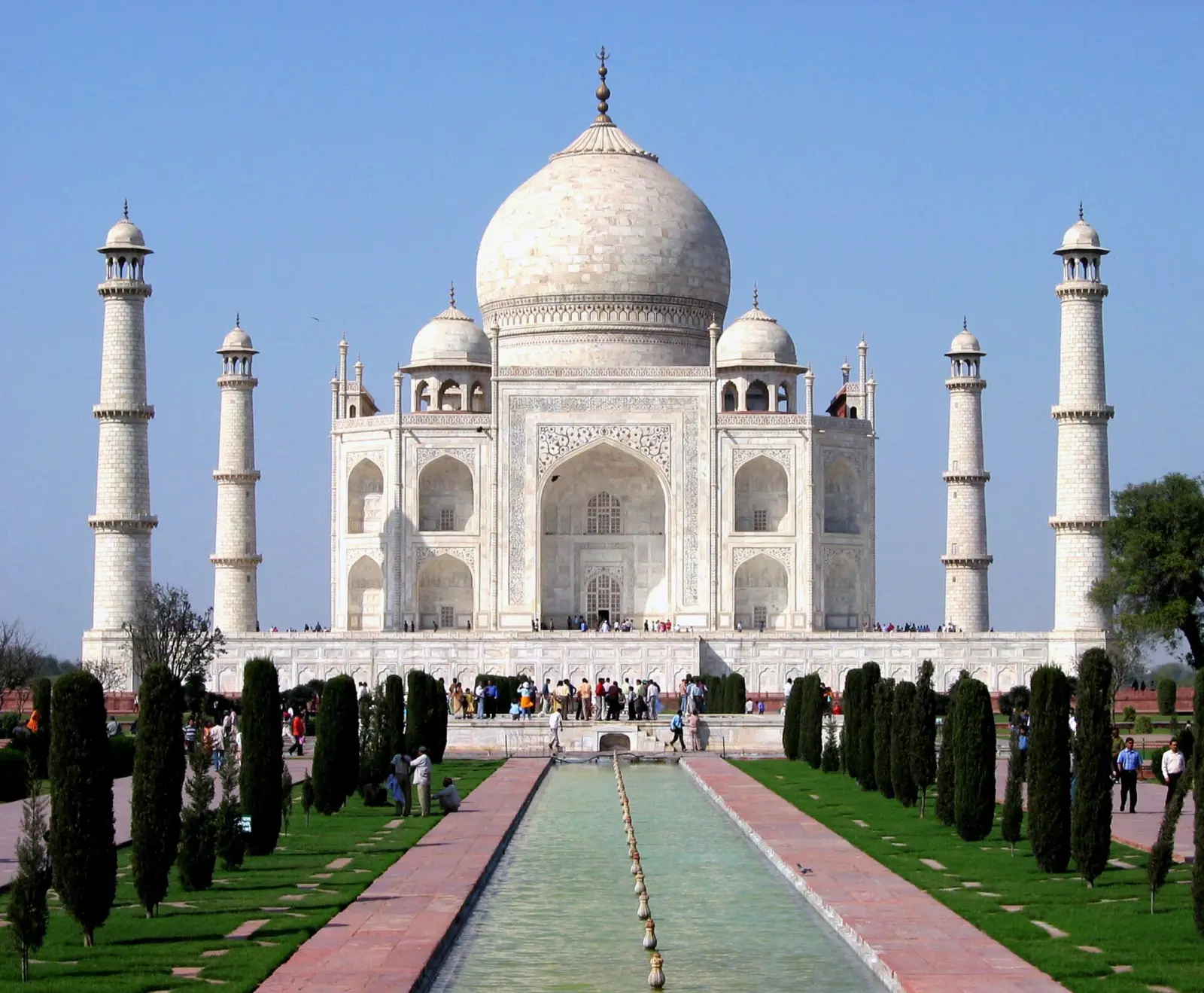
India
A solid all-round choice. Ranked 47 of 55, strongest on affordability, softest on retiree visa.
- Healthcare 55
- Retiree visa 22
- Affordability 95
- Safety 52
- Climate 76
- Expat community not verified70
1 of 6 axes rest on data we could not verify yet; those score a neutral 50 and are marked "not verified".
- Retirement visaNosmartasset.com
- Min incomeNot verified yet
- Monthly budgetMuch lower than the USnumbeo.com
- HealthcareFairen.wikipedia.org
- SafetyModerateen.wikipedia.org
- Top citiesGoa, Puducherry, Kochi
Good to know
- Low cost of livingNumbeo estimates single-person costs at about 27,600 INR/month (roughly USD 290) excluding rent, a fraction of typical US living costs.numbeo.com
- Comfortable climateMonsoon-driven climate with a dry and a rainy season; the wettest period from the southwest monsoon runs roughly July to September, while the southeast coast gets its heaviest rain from the retreating monsoon in October to December.climatestotravel.com
Watch out for
- No dedicated retirement visasmartasset.com
- Safety needs attentionRanked 127th on the 2026 Global Peace Index (score 2.409), placing India in the 'medium' state of peace and well below regional peers; conditions vary widely by region.en.wikipedia.org
- Expat community data not verified yet
Visa & residency
No dedicated retirement visa; long-stay foreigners use the Entry (X) visa, a long-duration (up to 10-year) regular tourist visa, or the e-Tourist visa, while people of Indian origin can use the lifelong OCI card.
No verified data yet
No verified data yet
Because there is no retirement route, most retirees rely on tourist entry, which is capped: total stay on an e-Tourist or regular tourist visa is limited to 180 days per calendar year. Longer stays generally require an Entry (X) visa (often via an Indian-origin spouse or family) or the OCI card for those of Indian heritage.
Healthcare
Private hospitals in the major metros offer high-quality care and drive a large medical-tourism sector (Chennai alone draws a large share of international health tourists), while the public system is cheaper but lower quality with limited access, especially in rural areas.
No verified data yet
Cost of living
Numbeo estimates single-person costs at about 27,600 INR/month (roughly USD 290) excluding rent, a fraction of typical US living costs.
A one-bedroom apartment averages roughly 14,000 INR/month in city centres and about 9,000 INR outside the centre, with Mumbai and Delhi far above and Kolkata or Chennai below.
Safety
Ranked 127th on the 2026 Global Peace Index (score 2.409), placing India in the 'medium' state of peace and well below regional peers; conditions vary widely by region.
Climate
Monsoon-driven climate with a dry and a rainy season; the wettest period from the southwest monsoon runs roughly July to September, while the southeast coast gets its heaviest rain from the retreating monsoon in October to December.
Community & language
No verified data yet
English is an official language of the Union government and is widely used in business, higher education, government and the courts, so day-to-day life in the metros is very manageable in English.
Hindi and English are the official languages of the Union government (English used for many official and administrative purposes), and the constitution recognises 22 scheduled languages across the country.
Taxes
A 'resident and ordinarily resident' is taxed in India on worldwide income, including foreign pensions; a 'resident but not ordinarily resident' and non-residents are generally not taxed on income earned and received outside India, so recent arrivals often escape tax on foreign pensions.
India has double-tax-avoidance agreements (DTAAs) with a large majority of countries, including the United States, United Kingdom, Netherlands, Canada and Australia.
Moving & migration
To open a bank account in India as a foreign retiree, you typically need a valid passport, valid visa/residence permit, proof of Indian address, passport-sized photos, and a PAN card (Permanent Account Number, a tax ID). Major banks include State Bank of India, HDFC Bank, ICICI Bank, and Axis Bank. As a foreign national, you will likely need to open a Non-Resident Ordinary (NRO) account unless you hold an OCI card.
India does not have a reciprocal health agreement with the UK. Make sure you have appropriate health insurance from Indian or international providers. Private healthcare is expensive so your insurance needs to cover any treatment and medication. For information on English-speaking medical facilities and doctors, consult the FCDO list. The quality of private hospitals in major metros is high, generating a large medical-tourism sector.
You can drive in India using a valid UK driving licence for a limited period. To continue driving as a resident, apply for an Indian driving licence through the local Regional Transport Office (RTO). The Indian Ministry of Road Transport and Highways provides information on applying for an Indian driving licence and registering a vehicle. A driving test may be required.
Personal household goods and effects can be shipped to India. Returning Indian nationals and those transferring residence may qualify for duty concessions under the Transfer of Residence rules. A detailed packing list, passport, visa, and proof of residence abroad for at least 2 years are typically required. Contact Indian customs (Central Board of Indirect Taxes and Customs) for current rules. Using a professional moving company is advisable.
Dogs and cats entering India need a microchip, valid rabies vaccination, and a veterinary health certificate. Import permits must be obtained in advance from the Animal Quarantine and Certification Services (AQCS) of India. Pets are subject to quarantine inspection upon arrival. For UK pets, follow the non-EU pet travel route with an Export Health Certificate from an official vet. Check the AQCS website for current requirements.
Step 1: British nationals need an appropriate Indian visa (no dedicated retirement visa; most retirees use an Entry (X) visa, long-duration tourist visa, or OCI card for those of Indian heritage). Step 2: Register with the Foreigners' Regional Registration Office (FRRO) within 14 days of arrival if staying more than 180 days. Step 3: Tourist visas limit stays to 180 days per calendar year. Step 4: OCI card holders can live indefinitely. Step 5: Citizenship is possible after 12 years of residence but requires renouncing British citizenship as India does not recognise dual citizenship.
Popular retirement spots
Where retirees in India tend to settle, and the honest reason why. Each note shows its source.
Goa
A relaxed 160 km coastline of beaches with a distinctive Portuguese-colonial heritage; Goa ranks highest among Indian states on quality-of-life and infrastructure, making it a laid-back expat favourite.
Puducherry
India's former French colony, with a preserved French Quarter, colonial architecture and a calm seaside atmosphere plus the Sri Aurobindo Ashram and Auroville nearby.
Kochi
A cosmopolitan port city on Kerala's Malabar Coast, set among backwaters and beside the Arabian Sea, long a diverse international trading hub with landmarks like historic Fort Kochi.
Questions about retiring in India
Answered from the verified data on this page. Every answer shows its source; anything we have not confirmed says so plainly rather than guessing.
- Does India have a retirement visa?
No dedicated retirement visa. Retirement is handled through a general residence route: No dedicated retirement visa; long-stay foreigners use the Entry (X) visa, a long-duration (up to 10-year) regular tourist visa, or the e-Tourist visa, while people of Indian origin can use the lifelong OCI card..
indianvisaonline.gov.in- How much monthly income do I need to retire in India?
This is not verified yet - check the official source before you rely on it.
- Is healthcare good for expats in India?
Healthcare quality is rated fair. Private hospitals in the major metros offer high-quality care and drive a large medical-tourism sector (Chennai alone draws a large share of international health tourists), while the public system is cheaper but lower quality with limited access, especially in rural areas.
en.wikipedia.org- How expensive is it to retire in India?
Much lower than the US. A comfortable single-retiree budget is Numbeo estimates single-person costs at about 27,600 INR/month (roughly USD 290) excluding rent, a fraction of typical US living costs.
numbeo.com- Is India safe?
Moderate. Ranked 127th on the 2026 Global Peace Index (score 2.409), placing India in the 'medium' state of peace and well below regional peers; conditions vary widely by region.
en.wikipedia.org- What is the climate like in India?
The climate is Tropical / subtropical monsoon. Monsoon-driven climate with a dry and a rainy season; the wettest period from the southwest monsoon runs roughly July to September, while the southeast coast gets its heaviest rain from the retreating monsoon in October to December.
climatestotravel.com- Where do retirees live in India?
Popular retirement spots include Goa, Puducherry and Kochi.
en.wikipedia.org
Compare India with its closest rivals
The three countries whose RetireScore sits nearest.