Living in Costa Rica as a Retiree: Pura Vida Explained
A practical guide to retiring in Costa Rica: the Pensionado visa, real costs, healthcare, and what pura vida actually means for daily life.
Living in Costa Rica as a Retiree: Pura Vida Explained
Costa Rica has been a retirement destination since before retirement abroad was a trend. The Pensionado program dates back decades, the expat community is well-established (roughly 70,000 US expatriates), and the country has a reputation for stability, natural beauty, and a famously relaxed pace of life captured in the phrase "pura vida." But Costa Rica is not the bargain it once was, and the pura vida pace has a flip side. Here is what retiring here actually involves.
The real costs
Costa Rica is the most expensive retirement destination in Central America. A single person can live on roughly $1,600-2,000/month including rent in the Central Valley. Beach towns run higher. This is not "cheap" by Latin American standards -- you can retire in Colombia or Ecuador for 30-40% less -- but it is still substantially below US costs.
| Expense | Central Valley (single) | Tamarindo/beach (single) |
|---|---|---|
| Rent (1-bed) | $700 | $900 |
| Groceries | $350 | $400 |
| Utilities + internet | $130 | $150 |
| Dining/entertainment | $250 | $350 |
| Transport | $60 | $80 |
| CCSS (public healthcare) | $85 | $85 |
| Monthly total | ~$1,575 | ~$1,965 |
Imported goods carry high duties, so anything not produced locally -- electronics, cars, certain food items, brand-name clothing -- costs more than in the US. A car, in particular, is expensive to buy and maintain, with import duties that can double the sticker price.
The Pensionado visa: a low bar, a slow process
Costa Rica's Pensionado (pensioner) residency is one of the most accessible retirement visas globally: prove a lifetime pension of at least $1,000/month. No age requirement, no investment requirement, no deposit. If you do not have a lifetime pension, the Rentista option requires a guaranteed income stream or a deposit.
The application is filed through the DGME (immigration authority), typically with the help of a Costa Rican lawyer, because the paperwork is extensive and Spanish-only. Processing takes 6-12 months. During that time, you can stay in Costa Rica on a tourist visa (up to 180 days for many nationalities). Once approved, you receive a DIMEX residency card and must enroll in the CCSS (Caja) public healthcare system.
After three years of legal residence, you can apply for permanent residency. After seven years (five if married to a Costa Rican), you can apply for naturalization. Costa Rica recognizes dual citizenship.
Healthcare: the Caja system
Costa Rica's universal healthcare system, the CCSS (Caja Costarricense de Seguro Social), is one of its strongest features for retirees. The WHO once ranked it 36th globally, ahead of the US, and the UN rates it number one in Latin America. As a Pensionado resident, you enroll and pay roughly $85/month (income-based). Once registered, you access the public hospital and clinic network (EBAIS) for primary care, specialist referrals, and hospital treatment.
The reality is mixed. The Caja covers everything, including pre-existing conditions and prescription drugs, with no deductibles. But wait times for non-urgent specialist appointments can run weeks or months. The system is underfunded and understaffed. Many expats maintain private insurance as a supplement for faster specialist access and private hospital care. Private hospitals in San Jose (Clinica Biblica, Hospital CIMA) are accredited and modern, with English-speaking doctors.
The combination of Caja (affordable comprehensive coverage) plus private insurance (faster access, English-speaking doctors) is a strong healthcare setup for roughly $150-250/month total.
Daily life: what pura vida really means
Pura vida translates literally as "pure life," but it functions as a catch-all for the Costa Rican ethos: things move at their own pace, relationships take priority over schedules, and stress is something you are expected to leave at the border. For retirees, this can be either the main appeal or the main frustration.
What works: The natural environment is extraordinary. Costa Rica packs cloud forests, volcanoes, two coastlines, and extraordinary biodiversity into a country the size of West Virginia. Outdoor life -- hiking, birding, surfing, yoga -- is woven into the culture. The climate in the Central Valley (Atenas, Grecia, Escazu) is spring-like year-round, with temperatures in the 18-26C range. The expat community is established and well-organized. Costa Ricans (Ticos) are generally warm and welcoming.
What frustrates: The pace of bureaucracy makes Southern Europe look efficient. Residency applications take months. Permits, registrations, and utility setups involve multiple visits and patient waiting. The roads outside the Central Valley are poor, and traffic in San Jose is gridlocked. The rainy season (May-November) is long and can be intense, with afternoon downpours that flood roads and disrupt plans.
Costa Rica also has a "gringo pricing" phenomenon: foreigners, especially in tourist areas, are charged more than locals for everything from rent to car repairs. Negotiating in Spanish helps. The cost of living is higher than neighbouring countries like Nicaragua or Panama, and the value-for-money proposition has eroded as prices have risen faster than infrastructure or services have improved.
Where to live
Atenas / Grecia / Central Valley: The expat heartland. Spring-like climate, established communities, proximity to San Jose for healthcare and the airport. Atenas is particularly popular with retirees. The trade-off: you are in a small town with limited cultural amenities, and you need a car for most errands.
Escazu / Santa Ana: Upscale San Jose suburbs with modern amenities, international restaurants, and the best private healthcare access. More expensive, more urban, more traffic. For retirees who want city convenience with suburban living.
Tamarindo / Guanacaste: Pacific beach living. Surf, sun, and a large international community. Expensive by Costa Rican standards, with a dry season that can be scorching. The Guanacaste coast is the driest region of the country.
Lake Arenal: A smaller expat community in the northern highlands with a cooler climate and dramatic volcano views. More remote, fewer services, more immersion.
The verdict
Costa Rica is no longer a budget retirement destination -- if your primary goal is stretching a small pension, look at Colombia, Ecuador, or Southeast Asia. What Costa Rica offers instead is stability, natural beauty, a well-established expat infrastructure, and a healthcare system that covers you comprehensively for a modest monthly fee. It is the closest thing Latin America has to a "safe, easy" retirement transition, and you pay for that convenience.
Destination page: Costa Rica
Related guides:
Explore the top-rated destinations
 #1
#1
Portugal
Europe
Portugal
86/100 #2
#2
Chile
Latin America
Chile
84/100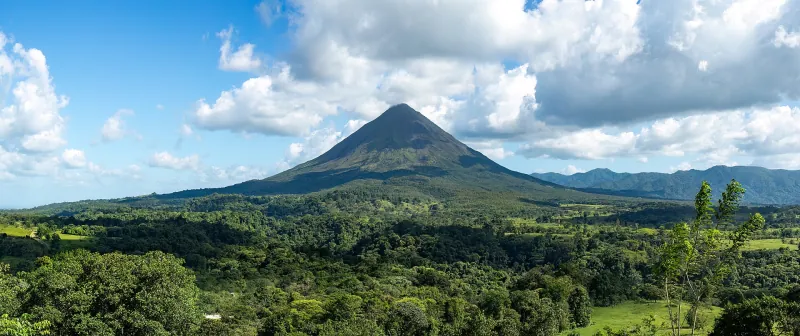 #3
#3
Costa Rica
Latin America