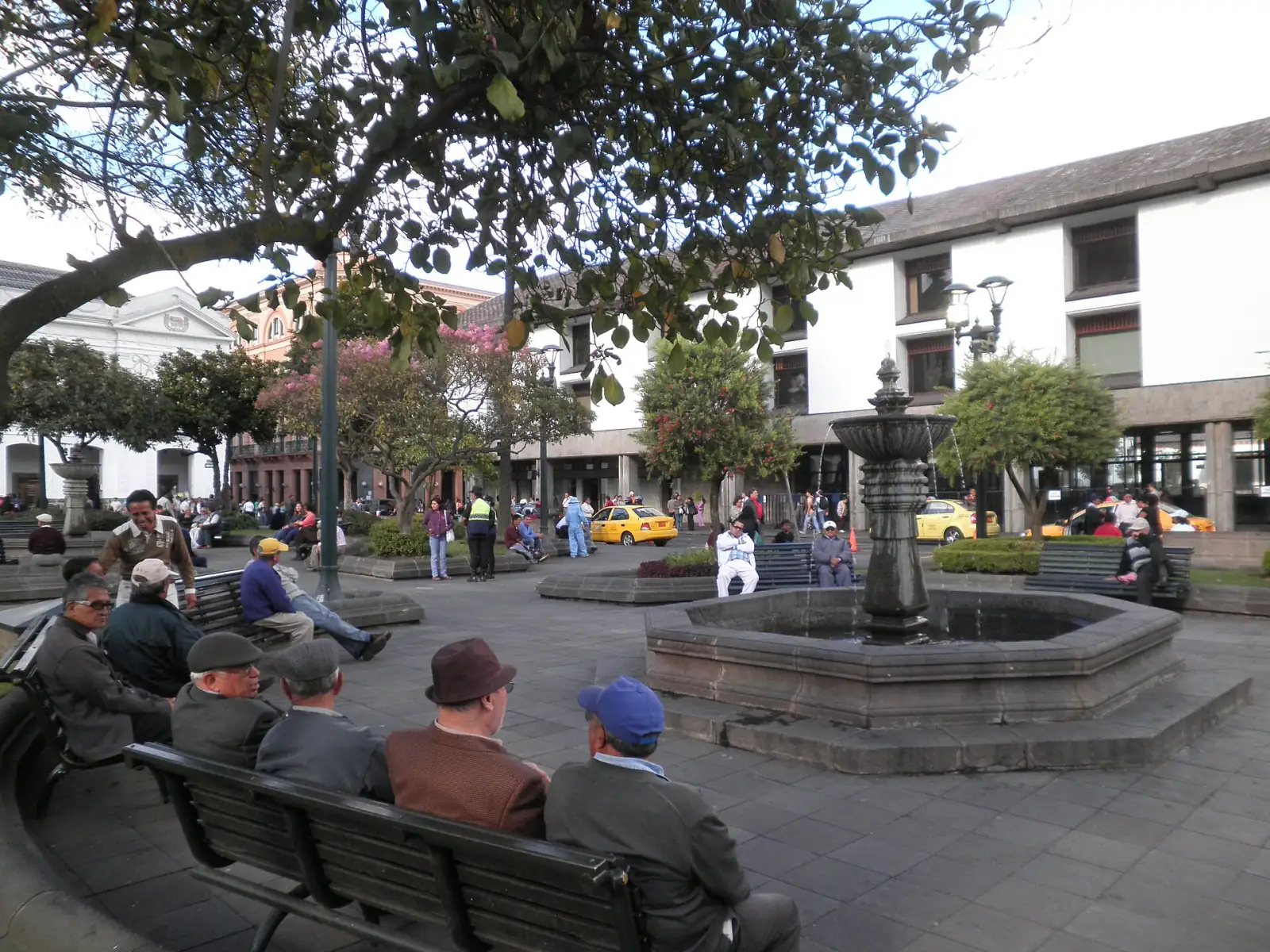

Ecuador
A solid all-round choice. Ranked 15 of 55, strongest on affordability, softest on safety.
- Healthcare 78
- Retiree visa 92
- Affordability 95
- Safety 28
- Climate 84
- Expat community 53
- Retirement visaYesPensioner (Jubilado) Visaecuapass.com
- Min incomeLow (easier to meet)ecuapass.com
- Monthly budgetMuch lower than the USnumbeo.com
- HealthcareGoodexpatsecuador.com
- SafetyUse cautionen.wikipedia.org
- Top citiesCuenca, Quito, Salinas
Good to know
- Good healthcare accessPublic IESS costs about US$70 per month for voluntary members with no deductibles but a 3-month wait and network limits; private care in major cities is high quality and good value.expatsecuador.com
- Dedicated retirement visaPensioner (Jubilado) Visaecuapass.com
- Low cost of livingEstimated single-person costs about US$502 per month excluding rent.numbeo.com
- Comfortable climateThree regions - Pacific coast, Andean highlands and the Amazon basin; climate ranges from tropical lowland heat to mild, spring-like highland temperatures.en.wikipedia.org
Watch out for
- Safety needs attentionGlobal Peace Index 2025 ranks Ecuador 135th of 163 (score 2.539, low state of peace); security has worsened nationally, though expat hubs such as Cuenca are generally calmer.en.wikipedia.org
- Few expats, less EnglishEstablished but smaller expat communities in Cuenca and Cotacachi; Spanish is needed for daily life, though affordable bilingual help is available.internationalliving.com
Visa & residency
US$1,446 or more per month in pension income (three times the 2026 base salary of $482); there is no minimum age.
Grants two years of temporary residency, renewable once; after 21 months you become eligible for permanent residency, which removes the income requirement.
Healthcare
Public IESS costs about US$70 per month for voluntary members with no deductibles but a 3-month wait and network limits; private care in major cities is high quality and good value.
Private plans run roughly US$40-86 per month depending on age and cover; many expats combine private insurance with public IESS.
Cost of living
A one-bedroom city-centre apartment averages about US$357 per month (range roughly $200-600).
Safety
Global Peace Index 2025 ranks Ecuador 135th of 163 (score 2.539, low state of peace); security has worsened nationally, though expat hubs such as Cuenca are generally calmer.
Climate
Varied by altitude: tropical Pacific coast and Amazon, cooler highland Andes.
Three regions - Pacific coast, Andean highlands and the Amazon basin; climate ranges from tropical lowland heat to mild, spring-like highland temperatures.
Community & language
Established but smaller expat communities in Cuenca and Cotacachi; Spanish is needed for daily life, though affordable bilingual help is available.
Spanish is the official language spoken by most of the population; 13 native languages including Quechua and Shuar are also recognized.
Taxes
Since December 2021 Ecuador taxes residents' foreign income, but taxes paid abroad can be used as a credit in Ecuador; verify pension treatment individually.
There is no US-Ecuador income tax treaty (Ecuador is absent from the IRS treaty-partner list; only a 2022 tax-information-exchange agreement exists). Ecuador's currency is the US dollar.
Moving & migration
Foreign retirees need a residency visa (e.g., pensioner/jubilado visa) and a cedula (national ID) before most banks will open an account. A valid passport and proof of address (utility bill) are required. Expat-friendly banks include Banco Pichincha, Produbanco, and Banco de Guayaquil. Physical presence is generally required for signature verification.
Ecuador's public healthcare system (MSP/IESS) is free for all -- including foreigners -- on an emergency basis. For routine care, wait times are long and medicine access is limited. Private hospitals are expensive and require upfront payment. To join IESS, retirees need a residency visa and cedula, then register at an IESS office. Many expats rely on private insurance or out-of-pocket payments for quality care.
You can use a foreign driving licence for the first 6 months after arrival. After 6 months, you must either take an Ecuadorian driving test to get an Ecuadorian licence or carry out the driving licence exchange process. Always carry your passport, driving licence, and vehicle registration in the vehicle.
Every adult passenger carrying taxable goods or cash equal to or higher than 10,000 US dollars must register online and complete a customs form at least 3 days before travelling. Failure to declare goods can lead to fines, confiscation, or criminal charges. For household goods shipments, a detailed inventory list (in Spanish), passport, and residency visa are typically required.
Dog or cat must have ISO 11784/85 compliant 15-digit microchip. Rabies vaccination at least 21 days before entry for pets over 3 months old. Health certificate issued by a licensed vet within 10 days of travel, endorsed by the government agency in the country of origin. Pitbull breeds are banned from entry. No quarantine if requirements are met.
Step 1: Enter Ecuador (90 days visa-free, extendable once by 90 days). Step 2: Apply for residence visa through the Ministry of Foreign Affairs e-visa system. Retirement (pensioner) visa requires proof of monthly pension income (minimum ~$1,350/month). Step 3: After visa approval, register at Civil Registry for a cedula. Step 4: After ~21 months on temporary residence, eligible for permanent residency. Step 5: After 3 years of continuous residency, eligible to apply for naturalization.
Popular retirement spots
Where retirees in Ecuador tend to settle, and the honest reason why. Each note shows its source.
Cuenca
Andean colonial city (UNESCO center) at ~2,538m with mild year-round climate and an established expat community of roughly 4,000-6,000.
Quito
Ecuador's capital in the Andes at ~2,850m, with one of the best-preserved historic colonial centers in the Americas (UNESCO).
Salinas
Pacific-coast resort city in Santa Elena province, Ecuador's largest beach resort and a popular tourist and real-estate destination.
Vilcabamba
Highland valley village at ~5,000ft with temperate spring-like weather that draws a growing community of foreign retirees.
Questions about retiring in Ecuador
Answered from the verified data on this page. Every answer shows its source; anything we have not confirmed says so plainly rather than guessing.
- Does Ecuador have a retirement visa?
Yes. Ecuador offers the Pensioner (Jubilado) Visa.
ecuapass.com- How much monthly income do I need to retire in Ecuador?
As a guide: US$1,446 or more per month in pension income (three times the 2026 base salary of $482); there is no minimum age. Treat this as indicative and verify the current official figure before you rely on it.
ecuapass.com- Is healthcare good for expats in Ecuador?
Healthcare quality is rated good. Public IESS costs about US$70 per month for voluntary members with no deductibles but a 3-month wait and network limits; private care in major cities is high quality and good value. On cost: Private plans run roughly US$40-86 per month depending on age and cover; many expats combine private insurance with public IESS.
expatsecuador.com- How expensive is it to retire in Ecuador?
Much lower than the US. A comfortable single-retiree budget is Estimated single-person costs about US$502 per month excluding rent.
numbeo.com- Is Ecuador safe?
Use caution. Global Peace Index 2025 ranks Ecuador 135th of 163 (score 2.539, low state of peace); security has worsened nationally, though expat hubs such as Cuenca are generally calmer.
en.wikipedia.org- What is the climate like in Ecuador?
The climate is Varied by altitude: tropical Pacific coast and Amazon, cooler highland Andes.. Three regions - Pacific coast, Andean highlands and the Amazon basin; climate ranges from tropical lowland heat to mild, spring-like highland temperatures.
en.wikipedia.org- Where do retirees live in Ecuador?
Popular retirement spots include Cuenca, Quito, Salinas and Vilcabamba.
en.wikipedia.org
Compare Ecuador with its closest rivals
The three countries whose RetireScore sits nearest.